

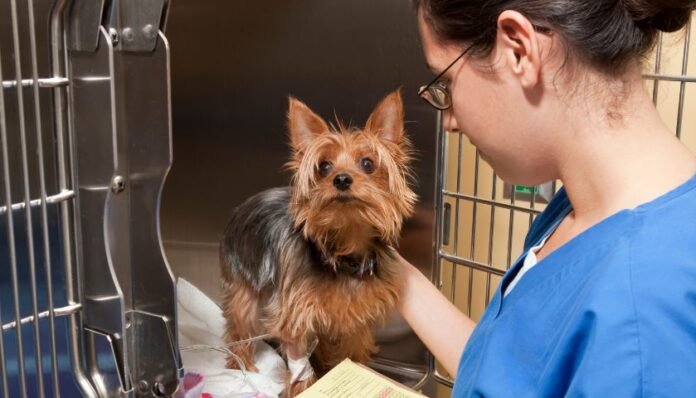
In the world of veterinary oncology, early and accurate diagnosis is key to successful treatment outcomes for pets with cancer. Ultrasound-guided fine needle aspiration (FNA) and biopsy are two critical diagnostic tools that allow veterinarians to collect tissue samples from masses or internal organs, guiding therapeutic decisions and offering insights into the nature of a disease.
What is Ultrasound-Guided FNA and Biopsy?
An ultrasound guided FNA and biopsy involves using an ultrasound machine to guide a fine needle into a specific area of concern, such as a mass, nodule, or internal organ. The needle collects cells from the area for analysis under a microscope. A biopsy, on the other hand, retrieves a small sample of tissue instead of just cells, allowing for more detailed examination.
These procedures are typically recommended when a veterinarian detects an abnormality during physical examination or imaging, such as an unusual lump, an enlarged organ, or changes in tissue structure. Ultrasound guidance ensures that the needle is accurately placed, which increases the chances of obtaining a useful sample without damaging surrounding tissues.
Why Are These Procedures Important in Oncology?
In veterinary oncology, distinguishing between benign (non-cancerous) and malignant (cancerous) tumors is critical for determining the appropriate course of treatment. Ultrasound-guided FNA and biopsy play a vital role in this diagnostic process by providing a quick and effective way to sample suspicious areas.
- Cancer Diagnosis – The most common use of these procedures in veterinary oncology is to diagnose cancer. By obtaining a sample from a mass or organ, veterinarians can determine the type of cancer, its aggressiveness, and whether it has spread.
- Tumor Grading – In some cases, a biopsy may be necessary to grade a tumor, which helps veterinarians understand how advanced the cancer is. This information is essential for treatment planning, as more aggressive cancers may require more intensive therapies.
- Monitoring Treatment Response – For pets undergoing cancer treatment, periodic biopsies may be performed to evaluate how well the treatment is working. This can help guide adjustments in the treatment plan to improve outcomes.
The Procedure: Step-by-Step
Before performing an ultrasound-guided FNA or biopsy, the veterinarian will assess the pet’s overall health and determine whether the procedure is safe. This usually involves blood work and imaging studies to ensure there are no underlying conditions that could complicate the procedure.